Selected I
The Physics of Hockey · 01
The Ice
Why it's slippery, what fast ice is, and why the third period feels slow.

→Why the stride works, why the puck curves, and what the ice is actually doing.
The physics behind skating, shooting, and the ice itself — explained in plain terms, in units players can use.
Why it's slippery, what fast ice is, and why the third period feels slow.
Edges, push angles, and the mechanics of skating fast.
Where slapshot speed actually comes from — stick flex included.
— Hover to preview.
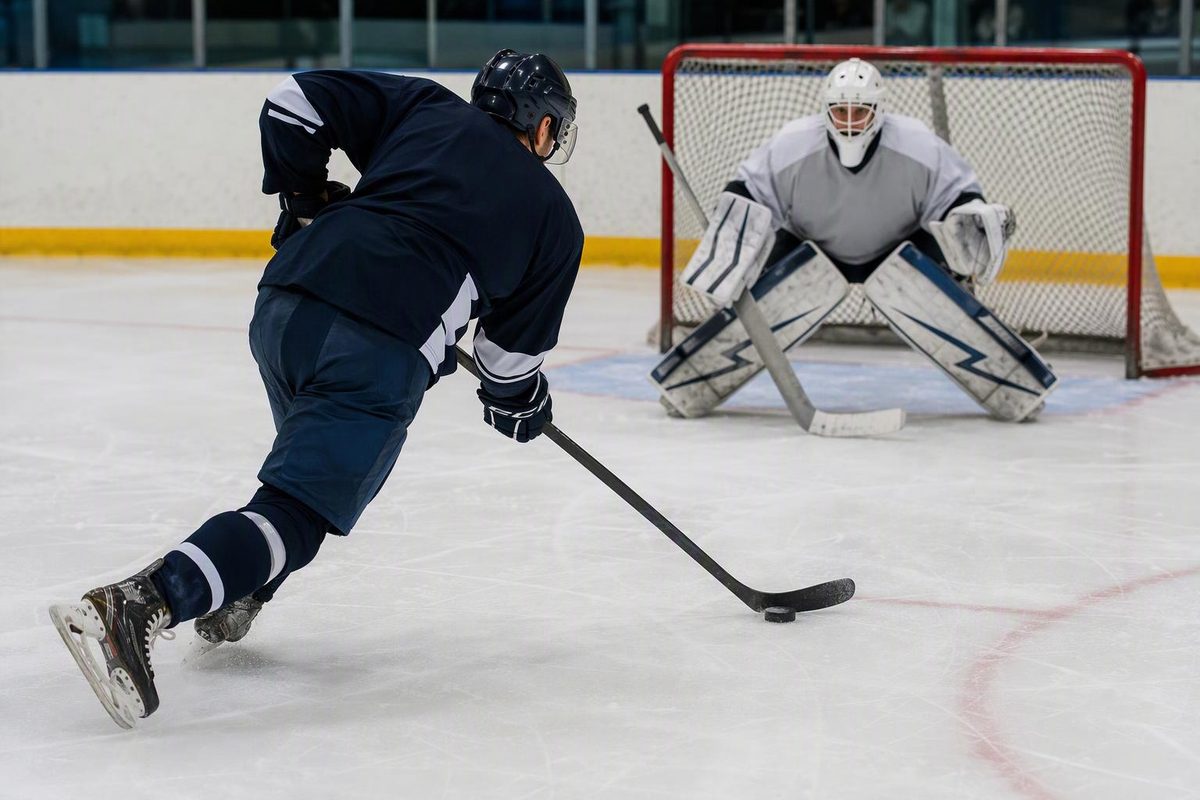 Feature
Learn when an ice hockey penalty shot is awarded, how NHL attempts work, and why a well-timed lateral deke can make a goalie’s recovery harder.
Read more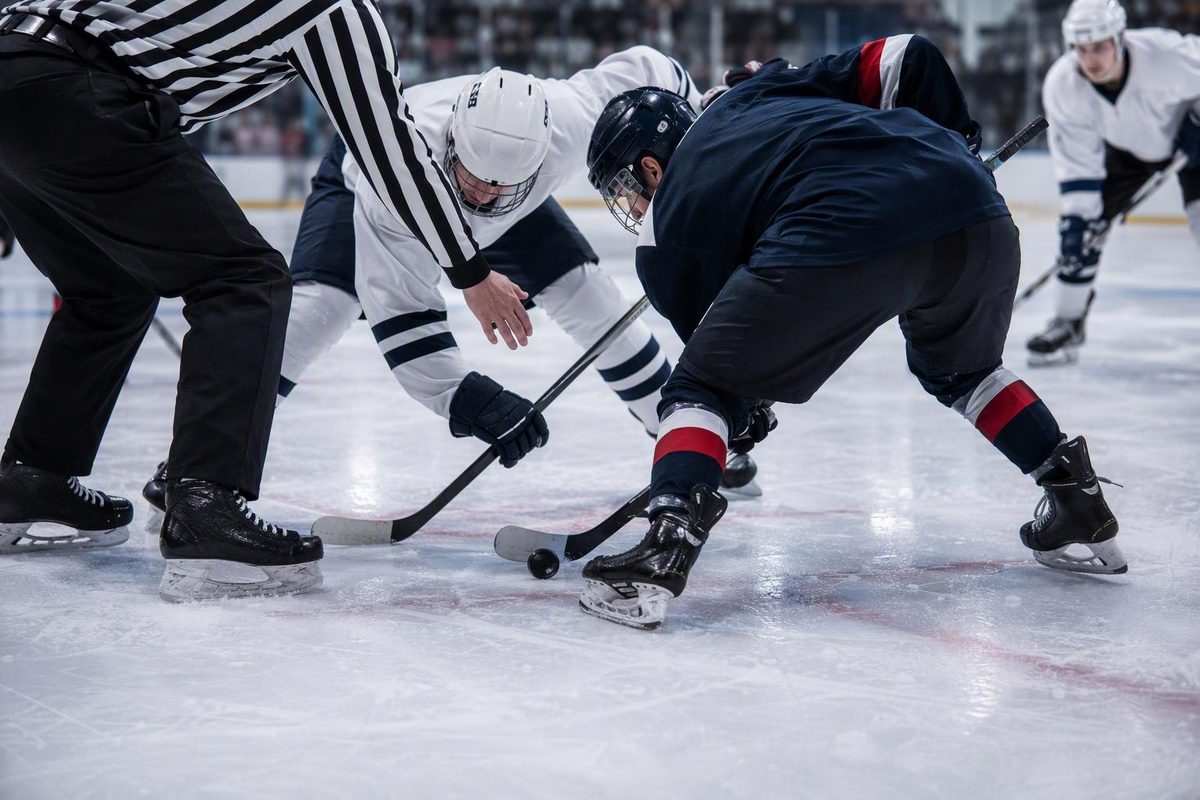 Feature
Learn ice hockey face-off basics, NHL and USA Hockey rule differences, and the physics behind a timed sweep toward a teammate.
Read more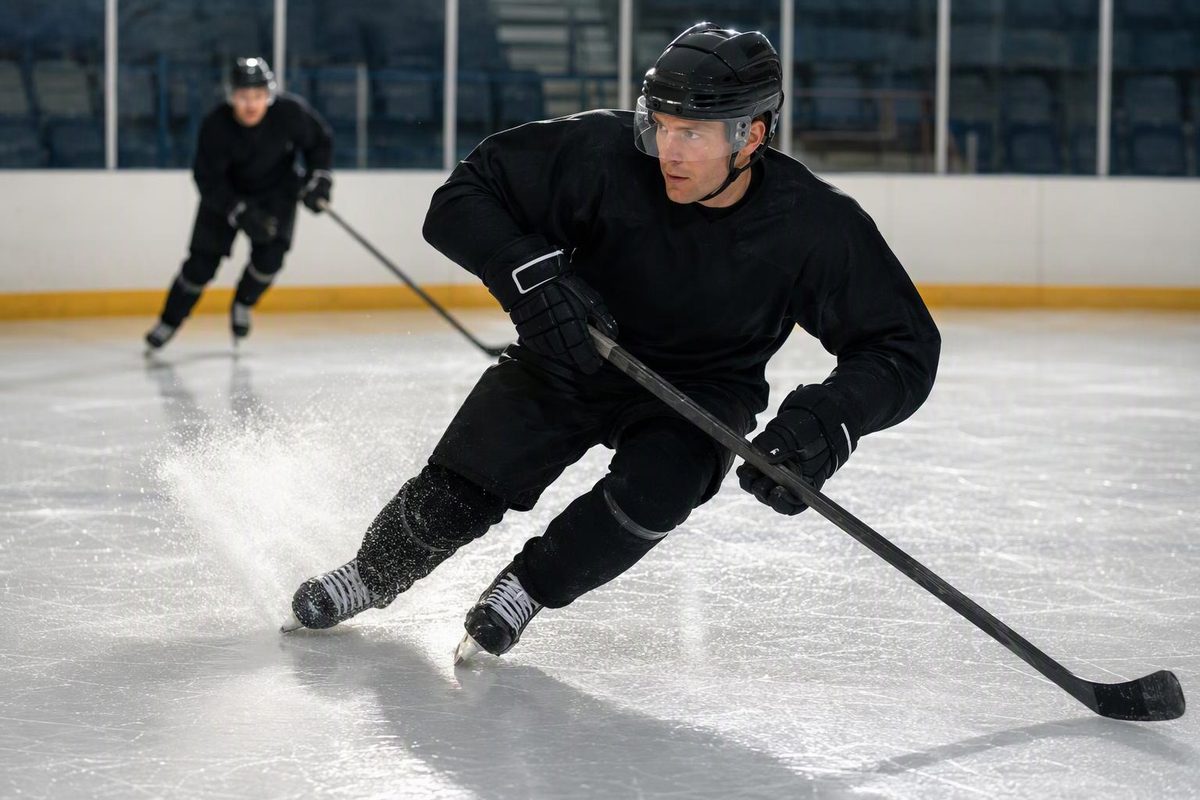 Feature
Learn forward crossover skating: which edges push, why the under-body stroke matters, and how speed changes the demands of a turn.
Read more